

Clear Guide To Virginia DUI BAC Limits
The blood alcohol concentration (BAC) limit in Virginia sets the legal threshold for drunk driving charges.
Below, we break down Virginia DUI BAC limits, measurement methods, the DUI process, and potential penalties.
What You Need to Know About DUI BAC Limit in Virginia
The Virginia DUI BAC limit defines when alcohol use becomes illegal while driving. It measures the amount of alcohol present in your bloodstream. This number helps determine whether a driver is legally impaired under state law.
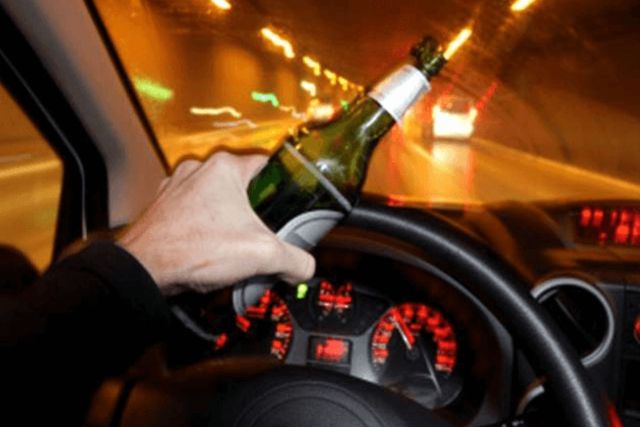
Different rules apply depending on the driver’s age and license type. These standards are used to assess impairment and determine whether a DUI charge may apply.
Commercial drivers and underage drivers are subject to stricter thresholds compared to standard adult drivers. These distinctions reflect the higher responsibility placed on certain categories of drivers.
It is also important to know that impairment can occur even when BAC levels are low. Law enforcement officers may rely on driving behavior and physical signs.
This can include swerving, delayed reactions, or failing field sobriety tests. In such situations, a driver may still face DUI charges.
Knowing these limits helps you make safer and more informed decisions. It also prepares you for what to expect during traffic stops.
Understanding Virginia DUI BAC Limits
Virginia DUI BAC limits define when a driver is considered legally impaired. In Virginia, these limits vary based on age, license type, and situation. Knowing these thresholds helps you understand how DUI laws apply to your driving.
The 0.08% Standard for Most Drivers
Under Virginia Code § 18.2-266, a BAC of 0.08% or higher is enough to charge most drivers with a DUI. You do not need to drive poorly. The number alone is enough.
A BAC test measures how much alcohol is in your blood. Results at or above 0.08% create what Virginia law calls a legal presumption of impairment. That means the court treats it as fact unless you can show otherwise.
Lower Limits for Commercial and Young Drivers

Not everyone faces the same limit. Virginia sets stricter rules for some groups.
Commercial drivers must stay below 0.04% BAC. This applies when they are behind the wheel of a commercial vehicle. Even one drink could push them over the line.
There is a zero-tolerance rule for underage drivers in Virginia. Any BAC of 0.02% or higher can lead to a charge. Virginia takes underage drinking and driving very seriously.
What BAC Level Means for Your Charges
Higher BAC levels bring harsher consequences. Virginia law adds penalties based on how far over the limit you are.
A BAC between 0.15% and 0.20% triggers a mandatory minimum jail sentence. A BAC above 0.20% brings an even longer minimum jail term. These are in addition to standard DUI penalties.
Knowing where these limits fall and what they mean for your case matters from the moment you are stopped.
How Virginia Measures BAC
In Virginia, law enforcement uses approved methods to measure BAC. These tests help determine whether a driver is legally impaired. The type of test used can affect how evidence is presented in court.
Breath Tests
Breath testing is the most common method used during DUI stops. Officers often begin with a portable roadside breathalyzer device. This initial test helps establish probable cause for further testing.
If arrested, you will take a second test at the station. This test uses a more advanced and calibrated machine.
The station test result is typically the one used in court. Accuracy and proper procedure are important for admissibility.
Blood Tests
Blood tests provide a more precise measurement of BAC levels. Police may request a blood test in certain situations. This often happens after serious accidents or when breath testing is unavailable.
Blood samples are analyzed in a laboratory setting. While results take longer, they carry strong evidentiary value. Courts often rely on these results in complex DUI cases.
Refusal Consequences
Virginia follows an implied consent law for drivers. By driving, you agree to submit to BAC testing if requested. Refusing a test is treated as a separate legal violation.
A refusal can lead to license suspension and other penalties. It may also be used as evidence in court proceedings. Understanding these consequences helps you make informed decisions during a stop.
What Happens During a DUI Charge in Virginia
A DUI charge in Virginia involves more than just a BAC reading. It can include arrest, testing, and formal court proceedings. Knowing what to expect helps you better prepare for the process ahead.
A Common Real-World Scenario
Say you leave a party after two or three drinks. You feel fine.
A police officer pulls you over for a broken taillight. He smells alcohol and asks you to step out. You take a breath test. Your BAC reads 0.09%.
That single number changes everything. You are arrested. Your car is towed. You face a DUI charge even though you felt able to drive.
What Happens Next in Virginia Courts
After an arrest, you get a court date. First appearances happen in the General District Court. Most DUI cases in Virginia resolve at this level.
The process moves in steps:
- Arrest and booking: You are taken into custody and processed at the station. Your fingerprints and personal details are recorded. You may be held briefly before release.
- Arraignment: You appear before a judge and hear the formal charge. At this stage, you enter a plea such as guilty or not guilty. This step sets the direction for your case.
- Pre-trial motions: Your DUI attorney in Virginia may review the legality of the traffic stop. They can also question the accuracy of BAC testing methods. These challenges can weaken the case.
- Trial or plea agreement: Your case may go to trial if no agreement is reached. In some situations, a plea deal may resolve the case earlier. Each option depends on the facts and legal strategy.
- Sentencing if convicted: If convicted, the judge imposes penalties based on the case. This may include fines, jail time, or license suspension. The outcome depends on prior offenses and BAC level.
Potential DUI Penalties You May Face in Virginia
DUI penalties in Virginia can be serious and long-lasting. The consequences depend on your BAC level and prior offenses. Even a first offense can carry a significant legal and financial impact.
Fines and Court Costs
A DUI conviction often includes monetary penalties and fees. A first-offense DUI in Virginia is a Class 1 misdemeanor.
First-time offenders may face fines starting at $250. Additional court costs can increase the total amount owed. Higher BAC levels may result in higher mandatory minimum fines.
License Suspension
A DUI conviction can result in the loss of driving privileges. First offenses may lead to a one-year license suspension. Restricted licenses may be available in certain situations.
Repeat offenses can result in longer or permanent suspensions.
Jail Time and Mandatory Minimums
Jail time is possible, even for a first DUI offense. Higher BAC levels can trigger mandatory minimum jail sentences.
Repeat offenses increase the likelihood of longer incarceration. Courts may impose stricter penalties for aggravated cases.
Second and third offenses carry much steeper penalties. A third offense within ten years can become a felony. The stakes rise quickly.
Ignition Interlock and Probation
Courts may require the installation of an ignition interlock device. This device prevents driving after alcohol consumption.
Probation conditions may also apply after a conviction. These requirements can last months or even years.
Understanding these penalties helps you take DUI charges seriously. Legal guidance can help you navigate your situation and options.
Have You Been Charged With DUI in Virginia?
A DUI charge in Virginia can have serious consequences. It may affect your license, finances, and future opportunities.
Beyond the BAC number itself, the circumstances of your stop, the testing method, and whether proper procedures were followed can all shape the outcome of a case. Understanding your rights and options is an important first step.
Each case is different, and the facts can shape the outcome. Legal guidance can help you evaluate possible defenses and next steps.
If you are facing a DUI charge, speaking with a DUI defense attorney who knows Virginia courts can help you understand your options. Getting timely advice can help you make informed decisions about your situation.

Frequently Asked Questions About Virginia DUI BAC Limits
What is the legal BAC limit for drivers in Virginia?
In Virginia, the standard blood alcohol concentration limit is 0.08% for drivers 21 and older. Drivers under 21 face a much stricter limit of 0.02%. Commercial vehicle drivers must stay below 0.04%. Even a BAC below the limit may result in charges if an officer observes signs of impairment.
Can I be charged with DUI in Virginia if my BAC is below 0.08%?
Yes. Virginia law allows DUI charges even when your BAC is under 0.08% and even without a BAC test. If an officer observes signs of impairment, such as slurred speech, poor coordination, or erratic driving, you can still face charges. The law does not require a BAC test result to charge or convict someone of DUI in Virginia.
What happens if my BAC is 0.15% or higher in Virginia?
A BAC of 0.15% or higher triggers aggravated DUI penalties in Virginia. At this level, Virginia law requires mandatory jail time, even for a first offense. A BAC of 0.15% to 0.20% carries a mandatory five days in jail. A BAC above 0.20% raises that to ten days. These penalties stack on top of standard DUI consequences, such as fines, license suspension, and a required ignition interlock device.
Does Virginia’s BAC limit apply to prescription drugs or marijuana?
Virginia DUI law covers more than alcohol. Driving while impaired by prescription drugs, over-the-counter medications, or marijuana can also result in a DUI charge. There is no set BAC-style numeric limit for drugs in Virginia. Instead, impairment is assessed based on officer observation, field sobriety tests, and sometimes a blood test. A positive drug test alone does not prove impairment, but it can be used as evidence in court.
How does Virginia measure BAC?
Virginia law allows both breath tests and blood tests to measure BAC. The breathalyzer is the most common method used at a traffic stop. Blood tests are typically used when breath testing is not possible or when drugs are suspected. Both test types can be challenged in court based on how they were given and how the equipment was maintained. Test results are not always conclusive, and their accuracy depends on proper procedure.