Legal Elements of Fraud in Virginia
Facing fraud charges can be frightening. In everyday language, any behavior from merely bad intent to criminal conduct can be called fraud.
Fraud is the intentional deception of others to gain a financial or personal advantage. However, the prosecution must prove several legal elements. These are:
-
False representation of a material fact
-
Intention to mislead
-
Reasonable reliance by the victim
-
Damage or loss to the victim
In other words, fraud has to include misrepresentation of a material fact made knowingly with the intention to mislead the victim. A misled party must believe the false statements and act based on these beliefs, resulting in damages to the defrauded party.

Prosecutors in Virginia take fraud claims very seriously and can impose severe penalties. A first-time fraud conviction can result in incarceration. That is why reaching out to a Virginia fraud attorney as soon as you learn you are under investigation for a fraud crime is essential.
What Is a Virginia Fraud Lawyer?
A fraud lawyer is a criminal defense attorney who focuses on helping clients accused of committing fraud.
Fraud defense attorneys gather evidence, interview witnesses, research the circumstances of the crime, and analyze the prosecution’s case. Often, they will try to negotiate a deal that includes reduced charges and sentences, probation, and a reduced bail amount.
A Virginia fraud lawyer can assist you in understanding the severity of the charges against you, the potential penalties you might face, and how to craft a defense that achieves the best outcome.
Retaining Virginia fraud lawyers Gretchen Taylor Pousson and Matthew Kensky of Scrofano Law PC can help. They can carefully review your case and protect your rights and interests in court. They can also prepare you for any necessary appearances in court or try to negotiate a plea bargain with the prosecution.
Civil vs. Criminal Fraud: Understanding Key Differences
Civil and criminal fraud proceedings serve different purposes and follow distinct procedural paths in Virginia. Civil fraud lawsuits seek monetary compensation for victims, while criminal prosecutions aim to punish wrongdoers and protect society. The burden of proof differs significantly—civil cases require proof by preponderance of evidence, while criminal cases demand proof beyond reasonable doubt.
Procedural differences affect case strategy and outcomes substantially. Civil fraud plaintiffs control their cases, deciding when to settle or proceed to trial. Criminal defendants face prosecution by Commonwealth’s attorneys or federal prosecutors who make charging and plea decisions independently.
Penalties vary dramatically between civil and criminal contexts. Civil fraud results in monetary judgments, injunctive relief, and potential restitution orders. Criminal fraud convictions can result in imprisonment, probation, fines, and permanent criminal records that affect employment and housing opportunities.
Many fraud cases involve parallel civil and criminal proceedings, creating complex strategic considerations. Criminal prosecutions may provide discovery advantages for civil plaintiffs, while civil settlements might affect criminal plea negotiations. According to Department of Justice statistics, approximately 85% of white-collar criminal defendants also face civil litigation.
The choice between pursuing civil or criminal remedies often depends on available evidence, desired outcomes, and timing considerations. Victims seeking immediate financial recovery typically prefer civil litigation, while cases involving significant public harm may warrant criminal prosecution referrals.

Virginia Fraud Pleading Standards and Related Civil Claims
Virginia courts impose heightened pleading requirements for fraud claims that demand extraordinary specificity. Under Virginia Rule of Civil Procedure 1A:9(b), plaintiffs must plead fraud with particularity, identifying the specific circumstances constituting fraud including the time, place, and content of false representations. This stringent standard protects defendants from vague allegations that could damage their reputation without sufficient factual basis.
The particularity requirement means general allegations of fraud will result in dismissal. Courts require plaintiffs to specify who made the false statement, when it was made, how it was communicated, and why it was materially false. According to Virginia Supreme Court precedent, failure to meet these pleading standards results in dismissal in approximately 40% of fraud cases filed.
Several related claims often accompany fraud allegations in Virginia litigation. Constructive fraud occurs when someone breaches a fiduciary duty, even without intent to deceive, creating an unfair advantage. Negligent misrepresentation involves providing false information without reasonable care, though it lacks the intentional element required for fraud.
Fraud by omission represents another distinct claim where defendants fail to disclose material facts they have a duty to reveal. These alternative claims provide strategic options when proving intentional fraud becomes challenging. Understanding these distinctions helps attorneys craft comprehensive complaints that survive motion practice.
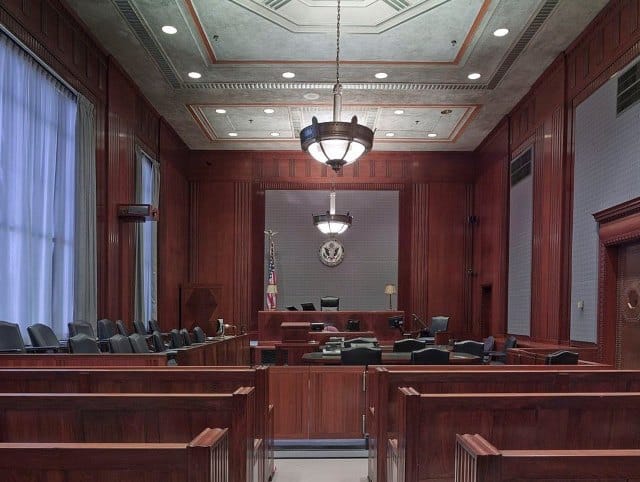
Fraud Litigation in Virginia
Virginia law lists more than 30 types of fraud subject to fraud litigation and both criminal and civil liability. These include, but are not limited to:
- Forgery
- Impersonating an officer
- Tax fraud
- Wire fraud
- Insurance fraud
- Mortgage fraud
- Credit card fraud
- Money laundering
- Bad checks
- Investment fraud
- Securities fraud
Fraud charges can be classified as either misdemeanor offenses or felony offenses, depending on the circumstances of the crime.

Potential Penalties in Fraud Cases
Fraud convictions may carry different penalties depending on several factors, including the crime’s extent, the defendant’s criminal record, and whether the offense is classified as a misdemeanor or felony.
For example, the potential criminal penalties for Virginia insurance fraud would depend on the value of the alleged fraud with which the individual is charged. If the insurance fraud is valued at $500 or more, the defendant will most likely face felony charges and additional charges depending on the facts of the case.
Using a fraudulent check in exchange for cash or goods would result in larceny fraud charges. If the crime is characterized as grand larceny, the maximum penalty can result in up to 20 years in prison.
On the other end of the spectrum, mortgage fraud or securities and commodities fraud can be considered a federal offense handled by the federal court. Securities fraud is punishable by a maximum imprisonment of 25 years plus a fine.
A fraud conviction can have negative ramifications on your personal life as well. If you are convicted of fraudulent activity, it can jeopardize future employment, housing, and other aspects of your life.

Damages, Remedies and Statute of Limitations in Virginia Fraud Cases
Virginia fraud victims can recover various forms of damages depending on their specific circumstances. Compensatory damages restore plaintiffs to their pre-fraud position, covering actual losses and out-of-pocket expenses. Punitive damages may be awarded when defendants act with malice or reckless disregard, though Virginia caps punitive damages at $350,000 under Virginia Code § 8.01-38.1.
Attorney’s fees are generally not recoverable in Virginia fraud cases unless a contract or specific statute provides otherwise. However, successful plaintiffs in securities fraud cases may recover reasonable attorney’s fees under certain circumstances. Courts may also award prejudgment interest to compensate for the time value of money lost due to fraudulent conduct.
The statute of limitations for civil fraud claims in Virginia is two years from discovery of the fraud under Virginia Code § 8.01-243. The discovery rule means the limitation period begins when the victim discovers or reasonably should have discovered the fraud, not when the fraudulent act occurred. Criminal fraud prosecutions must generally commence within five years, though certain federal fraud offenses carry longer limitation periods.
This discovery rule proves crucial in complex fraud schemes where victims may not immediately recognize they’ve been defrauded. Virginia courts apply an objective standard, asking whether a reasonable person in the victim’s position would have discovered the fraud. Documentation proving when fraud was discovered becomes essential evidence in limitation period disputes.
Potential Defenses Against Fraud Charges
There are many ways Virginia fraud lawyers can build a strong defense against fraud charges. Although every case is different, the most common approach revolves around the issue of intent.
Fraud cases in Virginia require the victim to prove intent and that the perpetrator knowingly misrepresented the facts. If the defendant can prove the misrepresentation wasn’t intentional, fraud wasn’t committed. But, that doesn’t mean defrauded party can’t take legal action – he or she can file a claim for negligent misrepresentation.
There are other potential defenses. For example, one can claim that the evidence police gained was obtained through an improper search and should not be used in court. Also, if the defendant can prove they had permission from the alleged victim, that may result in the charges being dismissed.
If you or someone you love is facing fraud charges, reach out to us as soon as possible. Schedule a consultation with Scrofano Law PC so our Virginia fraud attorneys can evaluate your case and create a defense strategy to help you get your life back on track.

Frequently Asked Questions About Virginia Fraud Laws
- What legal elements must be proven to establish fraud in Virginia?
The state must prove a false representation of a material fact, an intent to mislead, reasonable reliance by the victim, and resulting damage or loss.
- What is the timeline for filing a civil fraud lawsuit in Virginia?
A civil fraud claim must be filed within two years from the date the fraud was discovered or reasonably should have been discovered by the victim.
- How does the burden of proof differ between civil and criminal fraud cases?
Civil fraud cases require proof by a preponderance of the evidence, while criminal fraud prosecutions require the higher standard of proof beyond a reasonable doubt.
- What factor determines if a fraud offense is charged as a misdemeanor or a felony?
The classification generally depends on the specific circumstances of the crime, such as the total monetary value of the alleged fraud or property involved.
- How can a person defend against a criminal fraud charge in Virginia?
An individual can challenge the charges by demonstrating a lack of intent, showing that the misrepresentation of facts was not done knowingly or deliberately to deceive.
Our Practice Area Locations
Protect Your Future with Experienced Virginia Fraud Defense
Fraud allegations in Virginia carry serious consequences that extend far beyond potential criminal penalties. Whether facing civil litigation or criminal prosecution, the complexities of fraud law demand immediate attention from experienced legal counsel. The intricate pleading requirements, varying statutes of limitations, and potential for parallel proceedings make self-representation extremely risky.
Virginia fraud attorneys Gretchen Taylor Pousson and Matthew Kensky of Scrofano Law PC bring over a decade of combined experience defending clients in both state and federal courts throughout Northern Virginia and Washington, D.C. Their proven track record in complex fraud litigation provides clients with the strategic advantage necessary to achieve favorable outcomes. From challenging improper evidence to negotiating reduced charges, their comprehensive approach addresses every aspect of fraud defense.
Don’t let fraud allegations derail your future. Contact Scrofano Law PC today for a free case evaluation and discover how experienced legal representation can protect your rights, reputation, and freedom.

Frequently Asked Questions on Fraud
What Is Fraud on the Court in Virginia?
Fraud can also happen in the judicial system. Fraud on the court refers to material representation being made to the court. It can also be a situation where the court itself makes a material misrepresentation. Overall, the court’s impartiality must be disrupted to the point where it cannot perform its functions without bias or prejudice.
Fraud on the court can result in the case being voided and retried by different court officials. Other repercussions include the disbarment of attorneys, judges being removed from judicial service, and public officials being removed from their posts.
Can You Sue Someone for Fraud in Virginia?
Yes, but the party suing for fraud usually has to prove reasonable reliance for a successful fraud claim. That means those who didn’t believe the false statement of someone trying to defraud them haven’t really suffered any damages, nor have they been defrauded.