

How Field Sobriety Tests Work in Virginia
Field sobriety tests are physical and cognitive tests police use to check driver impairment. In Virginia, these tests are common in DUI investigations.
In this article, we explain what field sobriety tests are, the types of field sobriety tests, your rights, and how to challenge the tests in Virginia.
What Are Field Sobriety Tests in Virginia?
Field sobriety tests (FSTs) are physical and cognitive exercises that police officers use during traffic stops to assess whether a driver may be impaired by alcohol or drugs. These tests typically occur before a formal breathalyzer or blood test. Understanding how these tests work, what they measure, and your legal rights during this process is essential if you face a DUI charge.

Virginia law does not require you to perform field sobriety tests. Unlike a breathalyzer, which police can compel after a lawful arrest, field sobriety tests remain voluntary.
However, many drivers are unaware of this right, and officers may not always make this clear during a traffic stop. The tests are designed to detect signs of impairment through standardized physical movements and mental tasks, but they are subjective. This means they rely heavily on the officer’s interpretation and observation rather than objective measurement.
The three most common field sobriety tests used in Virginia are the Horizontal Gaze Nystagmus (HGN), Walk-and-Turn, and One-Leg Stand tests.
Each test has specific scoring criteria, but performance depends on factors beyond impairment, including your age, physical fitness, medical conditions, road conditions, and even your footwear.
Results can be challenged in court because they lack scientific certainty. An officer’s failure to administer these tests correctly or to document the conditions accurately can significantly weaken the prosecution’s case.
Understanding Field Sobriety Tests in Virginia
Field sobriety tests in Virginia are physical and cognitive assessments used to assess driver impairment. It is unlawful for a person to drive while intoxicated under Virginia law (Va. Code § 18.2-266).
When you are suspected of driving under the influence, FSTs are used to evaluate balance, coordination, and attention to determine alcohol or drug influence.
Police use these tests to decide whether to pursue further chemical testing or charges.

How Virginia Police Use Field Sobriety Tests
Police in Virginia use field sobriety tests during suspected drunk driving stops. These tests check if a driver’s body and mind work properly. Officers use them before asking for a breath or blood test.
An FST is not a chemical test. It’s a physical and mental check.
The officer watches how you move, balance, and follow directions. Results help the officer decide whether to arrest you.
The Three Standard Tests Used by Virginia Police
Virginia officers typically use three tests. These are called standardized field sobriety tests.
The Horizontal Gaze Nystagmus Test tracks your eye movement. The officer moves a pen or light across your face. They watch if your eyes jerk or bounce. They note when the jerking starts.
The Walk-and-Turn Test checks balance and focus. You walk heel-to-toe in a straight line. Then you turn and walk back. The officer counts your steps and watches for wobbling.
The One-Leg Stand Test measures balance and attention. You stand on one leg for about 30 seconds. The officer notes if you hop, sway, or put your foot down.
Key Facts About Field Sobriety Tests in Virginia
FSTs are optional in Virginia. You can refuse to take one.
Refusing an FST is not the same as refusing a breath test. Refusing a breath test has legal consequences. Refusing an FST does not.
The tests are not always accurate. Fatigue, age, and medical issues can affect results.
Poor road conditions and weather matter too. Baggy clothes or certain shoes can throw off balance tests.
Police training matters. Officers must follow strict rules for each test.
If they don’t, the results may not be trustworthy in court. An attorney can challenge how the test was done.
Your Rights During a Field Sobriety Test in Virginia
In Virginia, you have specific rights during a field sobriety test. Knowing these rights can help you make informed decisions during a traffic stop.
Right to Refuse
You may politely refuse a field sobriety test. Refusal can affect your case, but it cannot be forced. Officers may note your refusal for administrative purposes, such as DMV license suspension.
Right to Legal Representation
You have the right to speak with an attorney after an arrest. You do not have to answer questions without legal counsel. Exercising this right can help protect your interests.
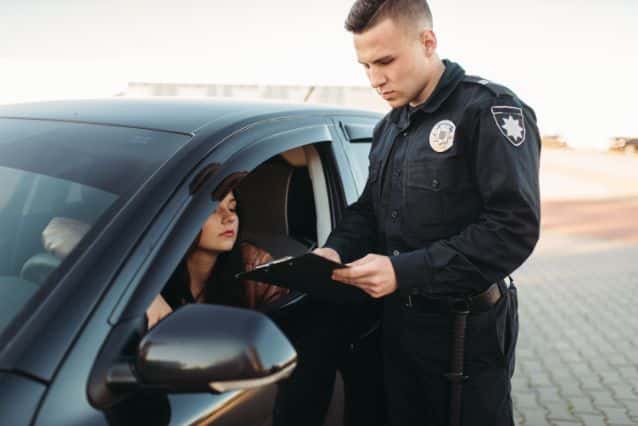
Right to Be Informed
Police must explain the test before administering it. You can ask questions about the procedure. Understanding the test helps you know your obligations and limits.
Always remain calm, respectful, and cooperative. Knowing your rights can reduce legal risks while protecting your constitutional protections in Virginia.
Challenging Field Sobriety Tests in Virginia
Virginia law does not require you to perform these tests. Unlike breath tests, refusing a field sobriety test does not automatically trigger license suspension. However, an officer may still use your refusal as evidence of impairment in court.
Field sobriety tests have significant limitations in accuracy. Factors like fatigue, age, weight, medical conditions, road conditions, and footwear can affect results.
An uneven shoulder, darkness, or wind may impact test performance. Officers may misinterpret normal movement as impairment.
Defense strategies focus on challenging test conditions and the administration process. A DUI lawyer in Virginia examines whether the officer gave clear instructions, whether proper baseline testing occurred, and whether environmental factors affected your performance.
Navigating Field Sobriety Tests in Virginia
Field sobriety tests help officers check if a driver may be impaired. In Virginia, these include walking a straight line, standing on one leg, and following instructions. You have the right to understand each test before participating.
You can politely decline tests, especially if medical conditions or age affect performance. Your responses and abilities may influence how results are evaluated.
Knowing your rights helps you make informed choices during traffic stops and ensures the process is fair and clear. If you need help understanding your case or next steps, consider speaking with our defense attorney, who can review what happened during your traffic stop.

Frequently Asked Questions
Can an officer in Virginia conduct a field sobriety test without my permission?
Yes. Officers may ask you to perform a field sobriety test without your consent. You can refuse, and refusal cannot be used against you or trigger automatic license suspension.
What happens if I fail a field sobriety test in Virginia?
Failing a test does not automatically result in a DUI. Officers may use poor performance as a reason for further testing, such as a breath or blood test. Tests are subjective and affected by physical or environmental factors.
Are field sobriety test results admissible in Virginia DUI cases?
Yes, if administered according to standardized protocols. Admissibility does not guarantee accuracy, and results can be challenged in court. Proper procedure and officer interpretation are key points for legal review.
How accurate are the three standard field sobriety tests used in Virginia?
Horizontal gaze nystagmus, walk-and-turn, and one-leg stand tests are about 65–77% accurate. Physical limitations, lighting, and road conditions can reduce reliability. These factors make the tests subject to challenge in court.
Can I be arrested for DUI in Virginia based only on a failed field sobriety test?
No. An arrest requires probable cause, usually including additional evidence of impairment. Poor test performance alone is not sufficient, but may support an officer’s observations.